
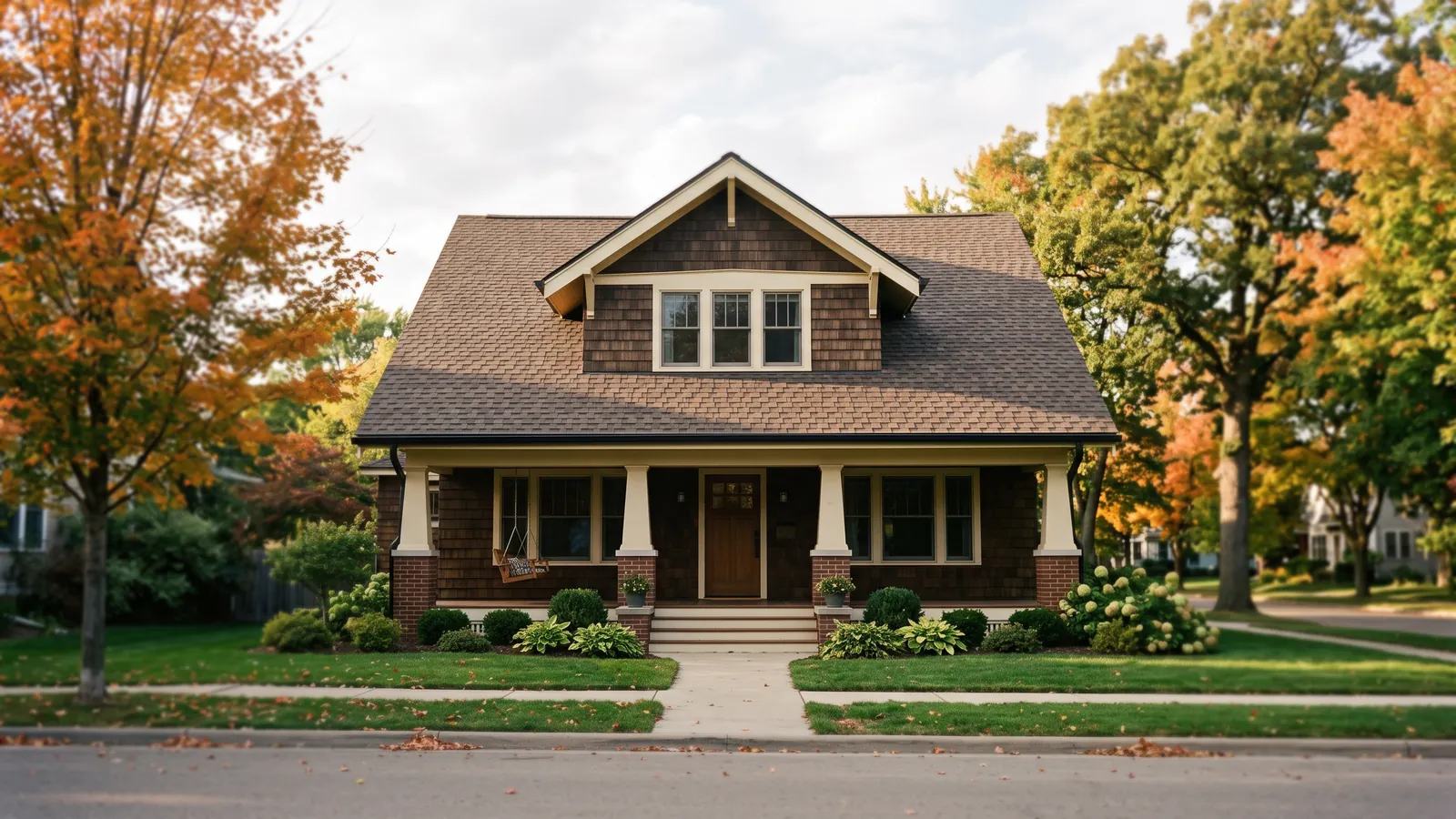
Roofing a Condo or HOA Community, Step by Step
In many condominiums the roofs are common elements, which means the association, not each owner, pays to repair and replace them. The master deed and bylaws decide which parts belong to whom, and they're the first thing a contractor should ask to see. Ann Arbor has a lot of attached housing; the city's housing mix is on our apartment roofing page.
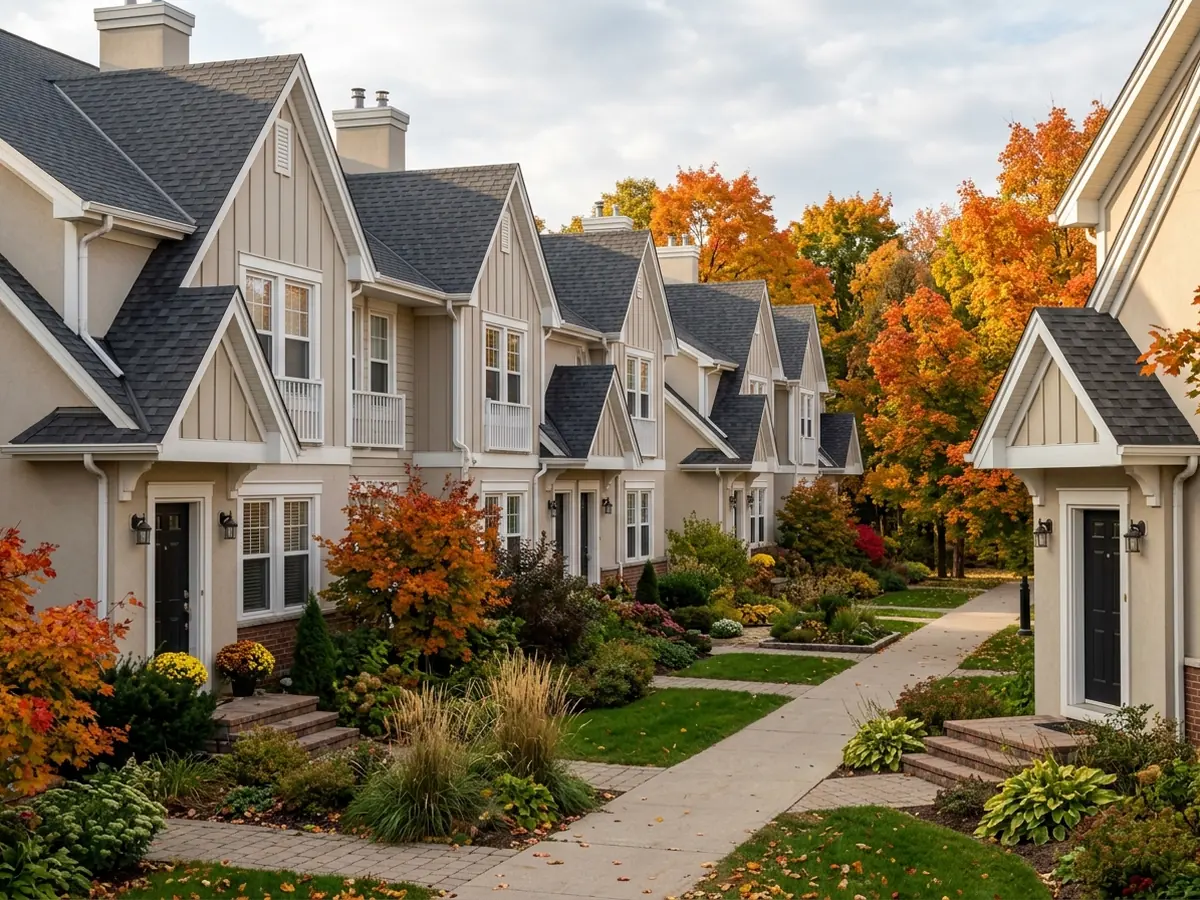
Reserve Studies and Roof Life
Michigan law requires every condo association to keep a reserve fund for major repairs and replacement of common elements, and the state's rule sets the floor at 10 percent of the association's current annual budget. That same rule makes every set of bylaws say the minimum "may prove to be inadequate," and for a community full of roofs it usually is.
Two changes are pushing reserves up. Fannie Mae is raising its minimum reserve allocation from 10 to 15 percent of the annual budget for condo loans reviewed under its Full Review process, for loan applications dated on or after January 4, 2027. Lenders check the association's budget against that when a buyer's loan goes through that review. And a 2026 bill in Lansing, House Bill 5784, would require associations to do a reserve study and adopt a funding plan. It was introduced in April 2026 and referred to committee; a Michigan condo law firm notes that a similar bill stalled in the last session.
The roof is usually the biggest line in a reserve study. We'd argue the useful number from a roofer isn't a guess at total life but the remaining life of each building's roof, based on an inspection, with photos. That's what the study needs to time the spending.
Phased Replacement Across Buildings
Few associations can replace every roof in one year. A phased plan takes the worst buildings first and spreads the rest over the years the reserve can carry. For each phase, the plan should list the buildings, the expected year, the scope (full tear-off or section repair) and a price that gets updated each year.
Phasing has a catch: the shingle bought in year one may be discontinued or restyled by year five. Our view: lock in the product line and color with the contractor at the start, and ask what happens if it's discontinued mid-plan. Some boards buy a few extra bundles at the first phase for future repairs.
One Material and Color Across the Community
Master deeds and architectural rules often require roofs to match. That means one manufacturer, one shingle line, one color, the same drip edge and vent style, and the same ridge cap, across buildings re-roofed years apart. If any homes are in one of Ann Arbor's historic districts, matching the existing roof is also the simplest route through city review; see slate roof repair for how that works.
Changing the community's roof, say from three-tab to architectural shingles, or to a Class 4 impact-resistant line, is a board decision and often an owner vote under the bylaws. What the shingle grades and impact ratings mean is on our asphalt shingle roofing page.
Bids and Board Approval
Boards get into trouble when three bids price three different jobs. Write the scope first and send the same scope to every bidder. It should list each building and its roof area, layers to remove, deck replacement priced per sheet, the underlayment and ice barrier, the shingle line and color, ventilation, gutters if included, cleanup, parking and access rules, and how owners will be notified.
Ask each contractor for proof of licensing and insurance, and check the licence yourself; how to do that in Michigan is on our storm damage roof repair page. Minutes that record why the board picked a bid help when owners ask later.
Shared Roof Lines on Attached Units
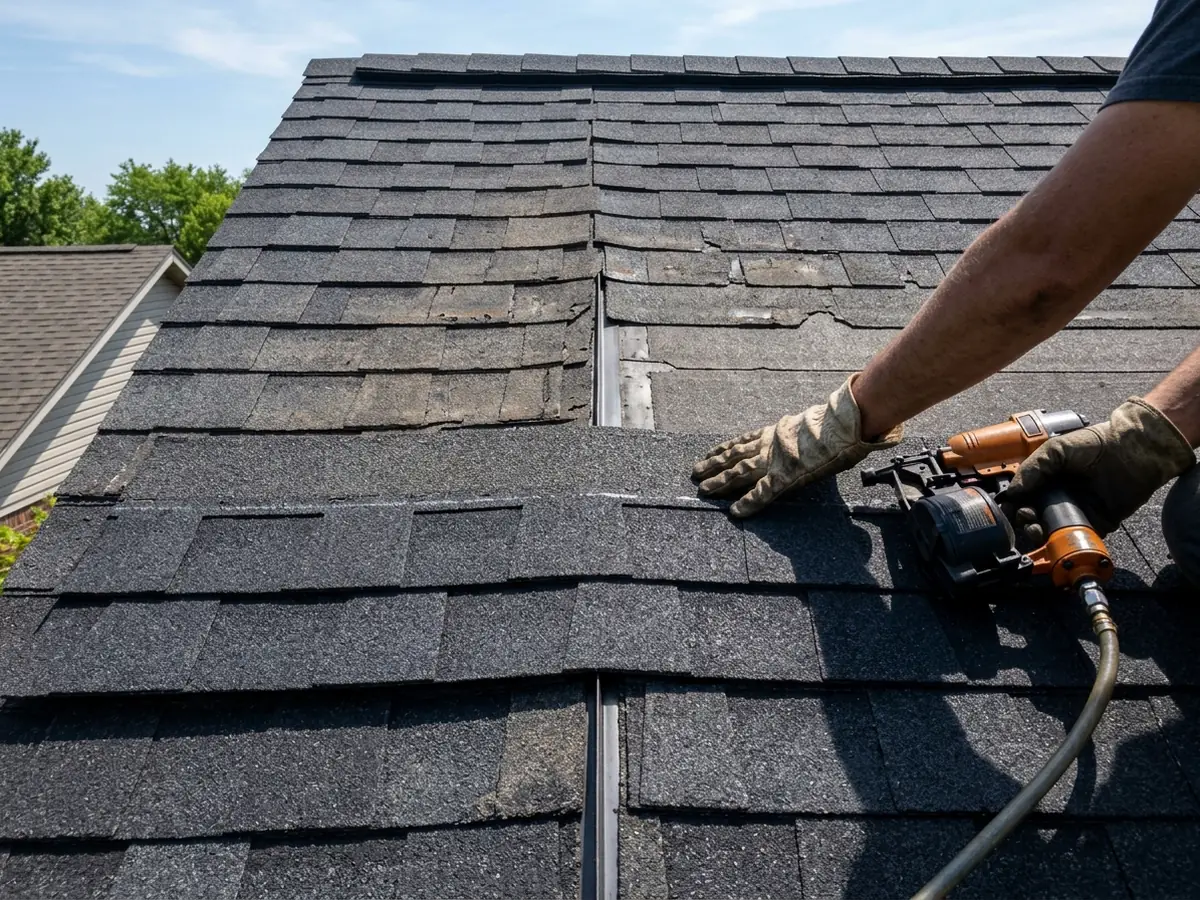
On attached townhomes and ranch-style condos, one roof often runs over several units with no break. Replacing one unit's half of a shared slope leaves a seam at the party wall, where new and old shingles meet and age differently. It also means one owner's leak can come from a neighbor's side of the ridge.
Our advice is to re-roof whole buildings, not single units, whenever the documents allow it, and have the contractor flash the transitions at party walls and between buildings with different roof heights. Where an association does have to repair one unit's section, the repair should tie into the old roofing under the existing courses and use the community's matched shingle.
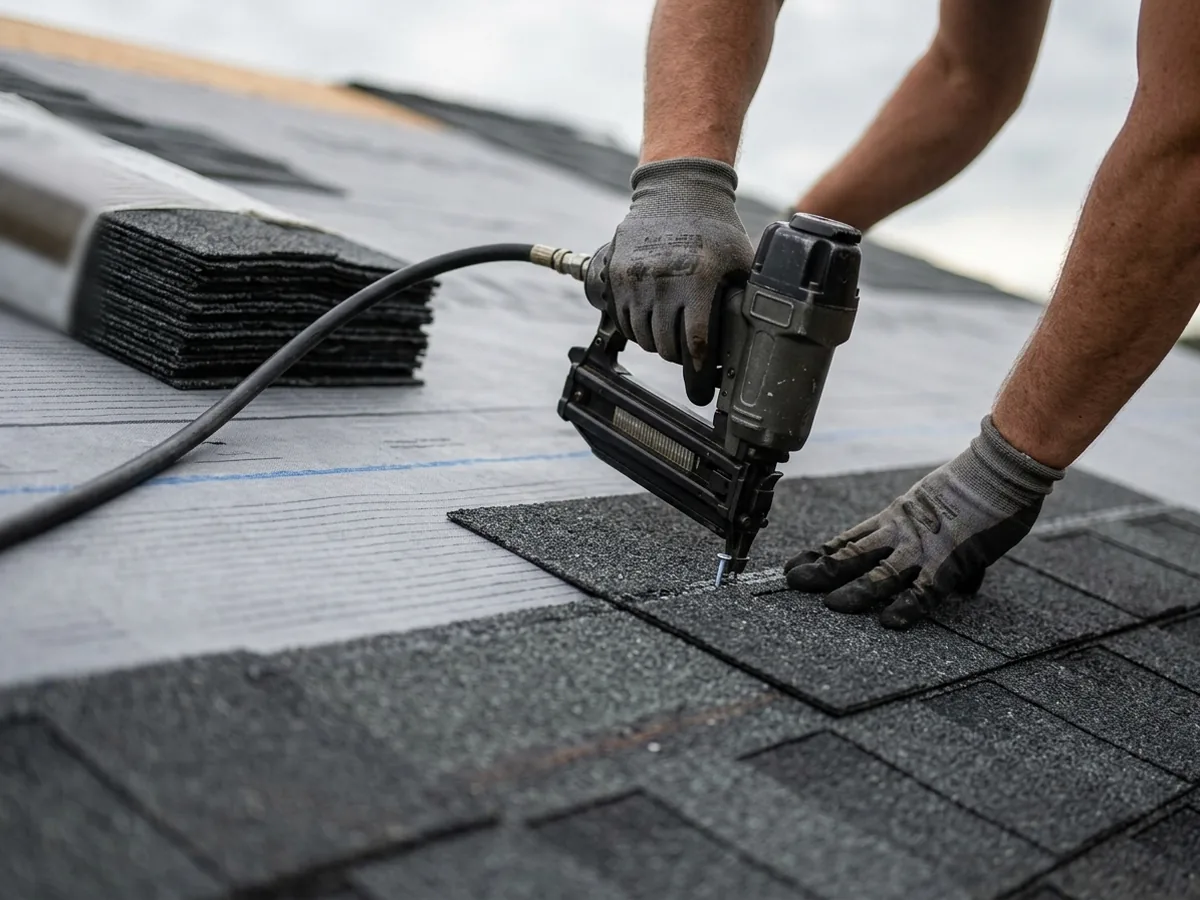
Why Ann Arbor homeowners call Ann Arbor Roofing Co.
- Written estimate, free of charge
- Shingle line, underlayment and ice barrier named in the price
- Deck repair priced per sheet before the tear-off
- One independent local roofer per request, not a call list
- No fee to the homeowner for the referral
What Should a Board Check in the Roofing Contract?
The bid comparison picks the contractor; the contract protects the association. We'd tie payments to finished buildings rather than calendar dates, set a per-sheet price for deck replacement so rotten boards don't turn into an open-ended change order, and ask for lien waivers from the contractor and its suppliers with each payment. Get a certificate of insurance that names the association.
A few more points worth settling in writing, and recording in the minutes:
- who answers owner complaints during the job, and how fast;
- where dumpsters, trucks and materials sit, and for how long;
- what happens to landscaping, cars and patios under the eaves;
- who signs off on each building as complete.
Repairs Between Replacements
A reserve plan covers replacement; leaks still happen in between. Keep one contractor's inspection on file each year, log every repair by unit and building, and use that log to adjust the reserve schedule. For storm damage across several buildings, start with storm damage roof repair. For ice at the eaves of attached units, see ice dam removal.